 Investigations
Nights of Sand: The Invisible Trade Cutting Through the River
What happens on the river after sunset has no official record.
Dhaka · 24 Nov 2026
Dhaka24 Nov 2026
Investigative journalist and documentary maker
Documents, the field and people — I have followed these three threads for twelve years. In-depth reporting on corruption, the environment, labour and public health.
When I was a child, the newspaper arrived along with the letters at our neighbourhood post office. The dateline on that paper — the name of a city, a date — taught me that a news story means someone was really there.
Today I do the work of being there. I follow court documents, government tenders and hospital stock registers into the field, find witnesses, and then write.
I believe a good report prepares the reader with facts before it makes them angry. So in every piece I put together the source of the documents, the method, and the response of those who were asked questions.
This website is a single place for my work: stories, videos, photos, awards and ways to reach me. (Sample website — all names are fictional.)
Investigations What happens on the river after sunset has no official record.







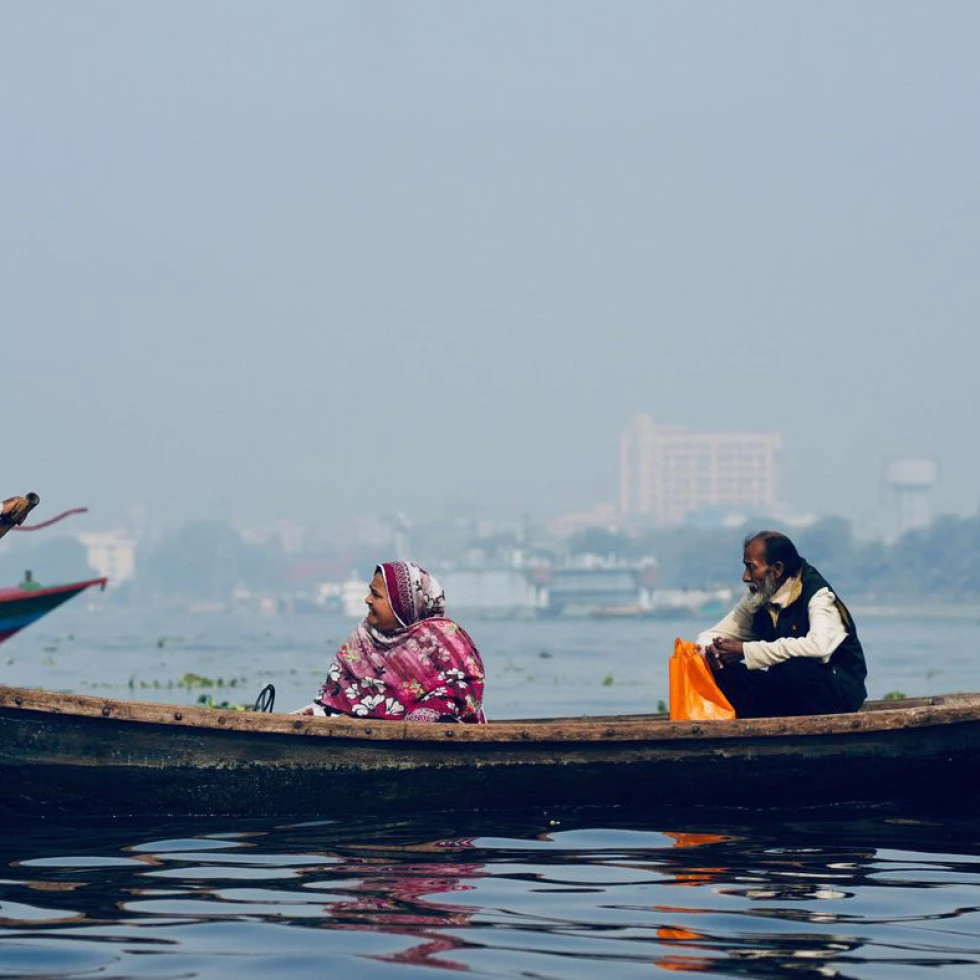 EnvironmentThe Illegal Sand Empire on the RiverThree months of investigation uncovered the whole network of sand extraction under cover of night.
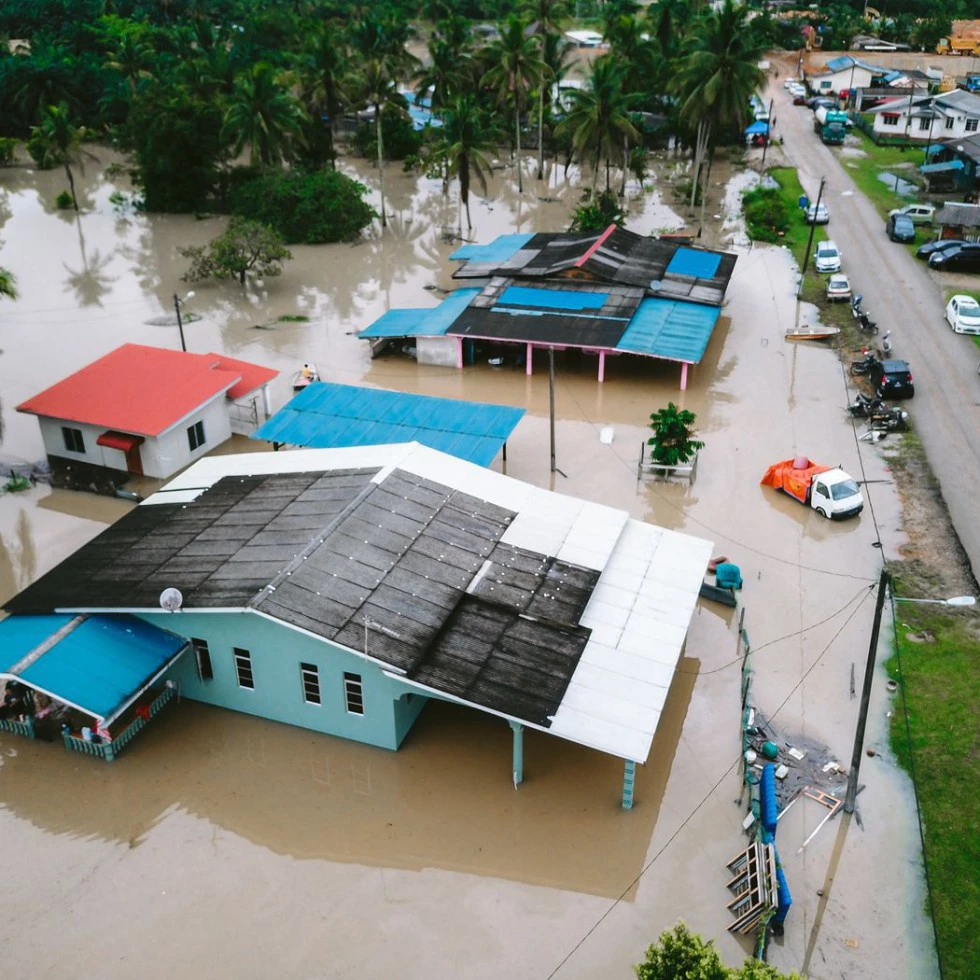 CorruptionGhost Names on the Relief ListCross-checking the flood relief list revealed over a hundred non-existent names.
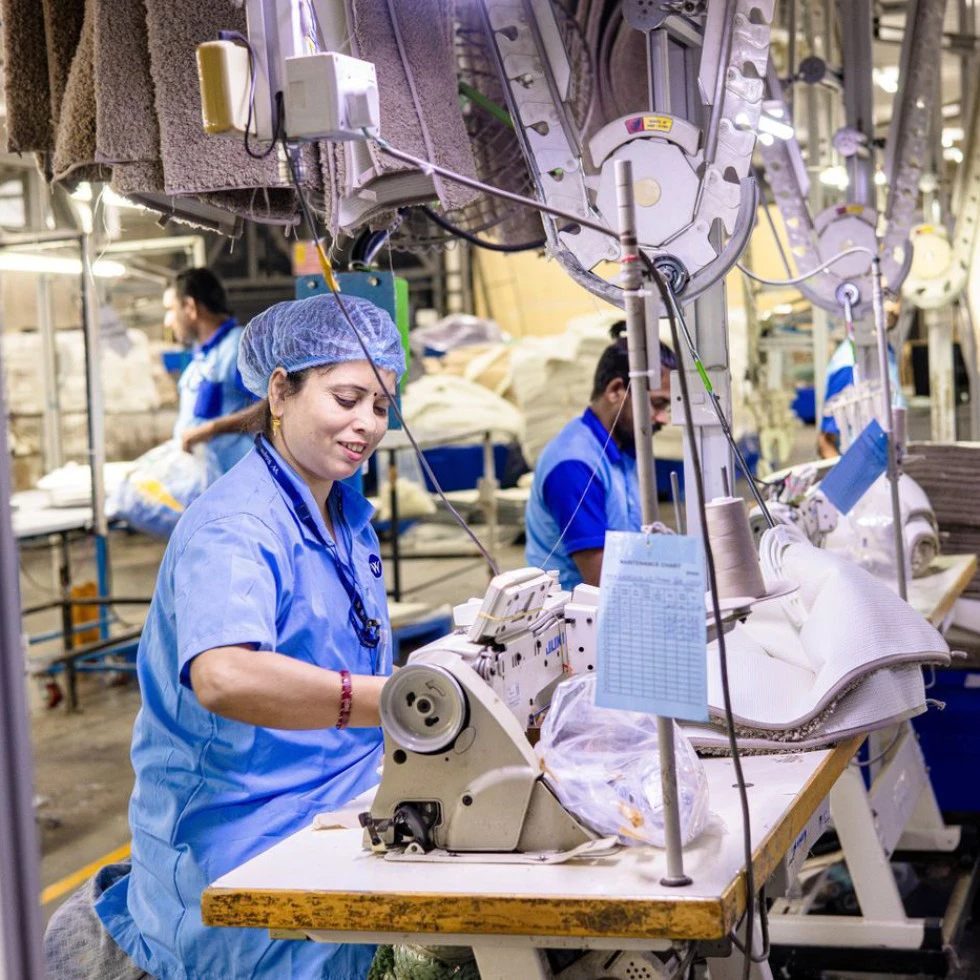 Labour and RightsThe Wage Gap Behind the Sewing MachineComparing the wage registers of five factories with the money workers actually received.
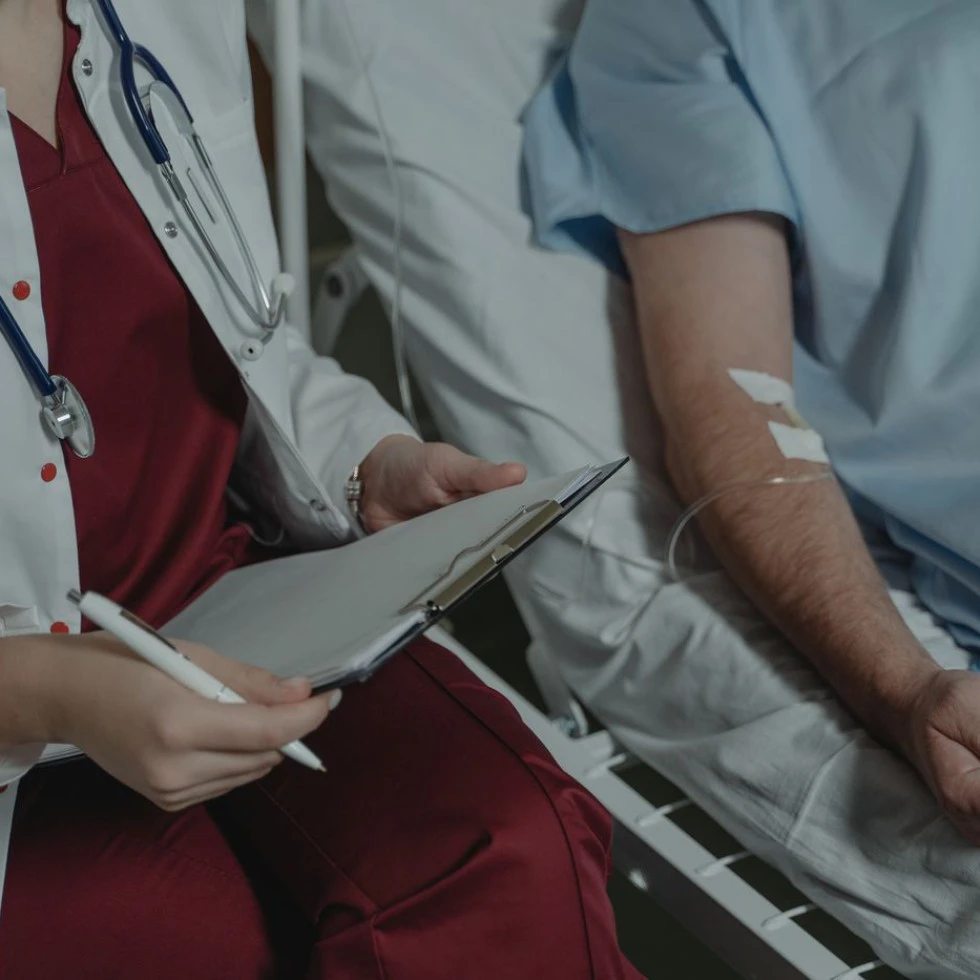 Public HealthHide-and-Seek Over Medicine ExpiryAccounts of expired medicine stocked and distributed at upazila health centres.
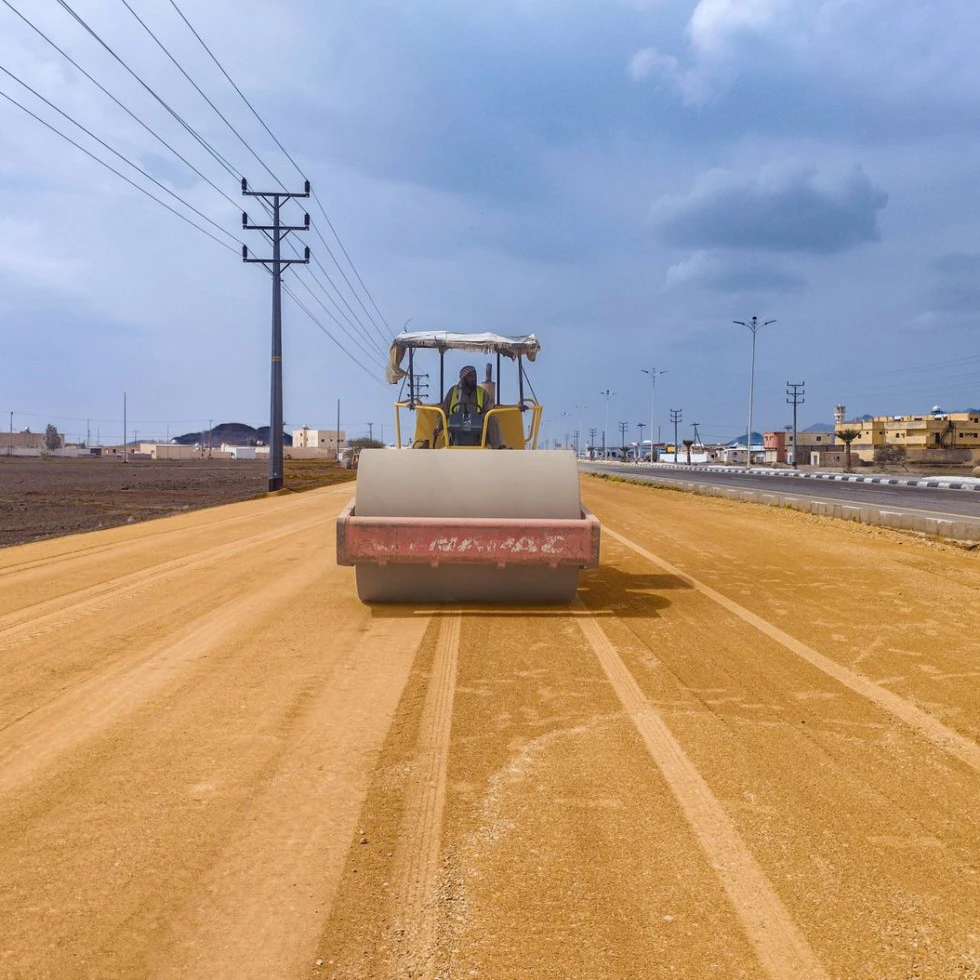 CorruptionRoad Building: Work on Paper, Gaps on the GroundProject documents and local testimony show a striking mismatch.
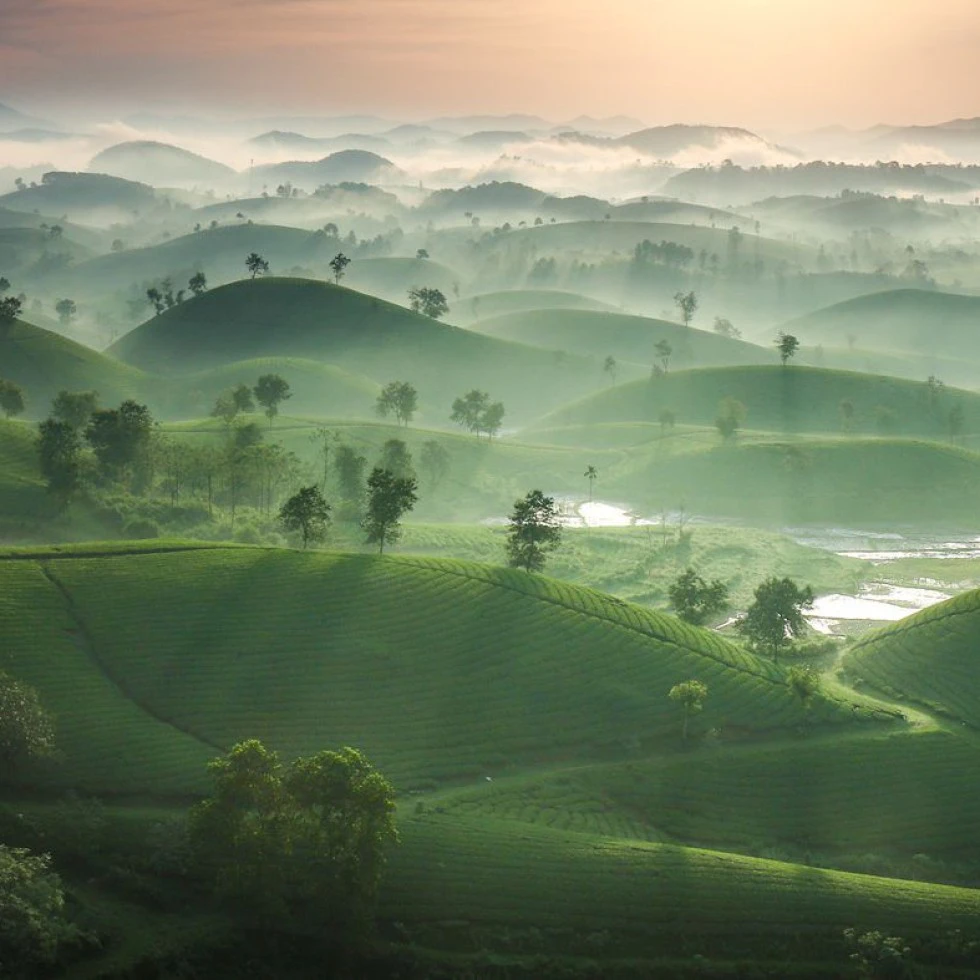 EnvironmentThe Silent List of Hill CuttingSatellite images and field visits captured the pattern of slope erosion.
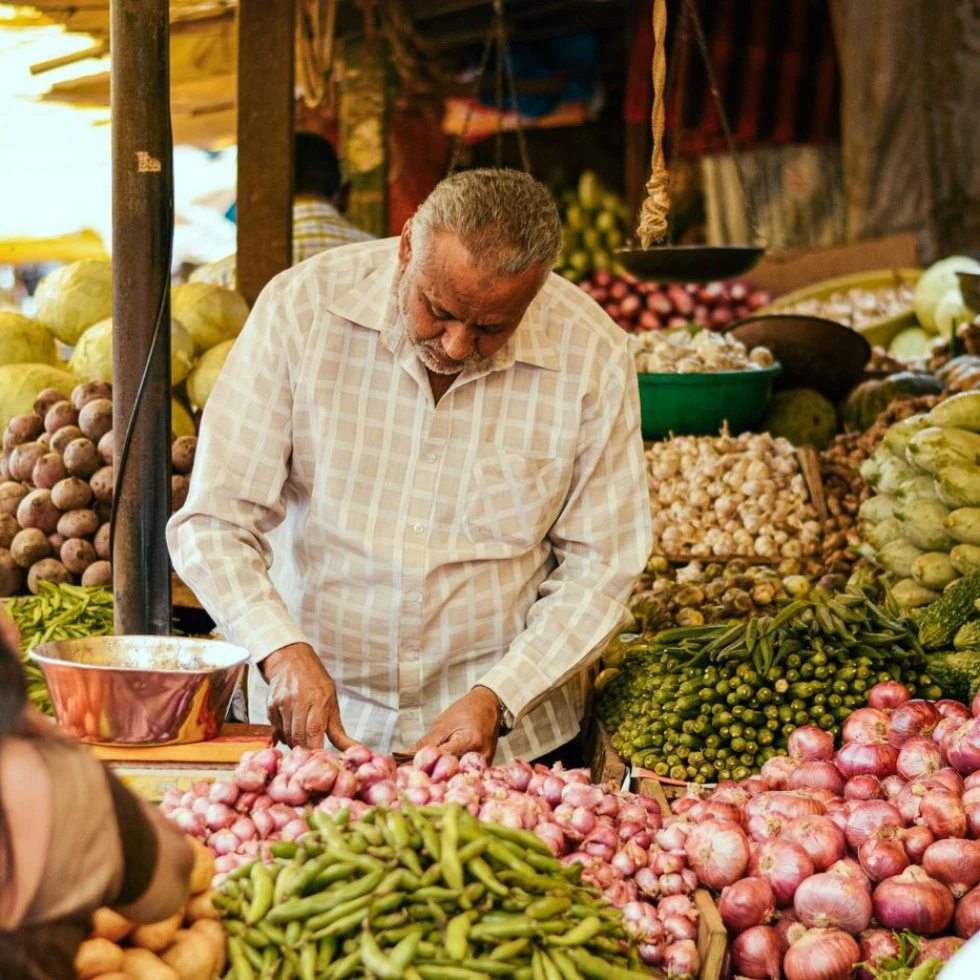 Labour and RightsThe Debt Trap Behind the MarketAn investigation into the pressure of informal loans on small traders.
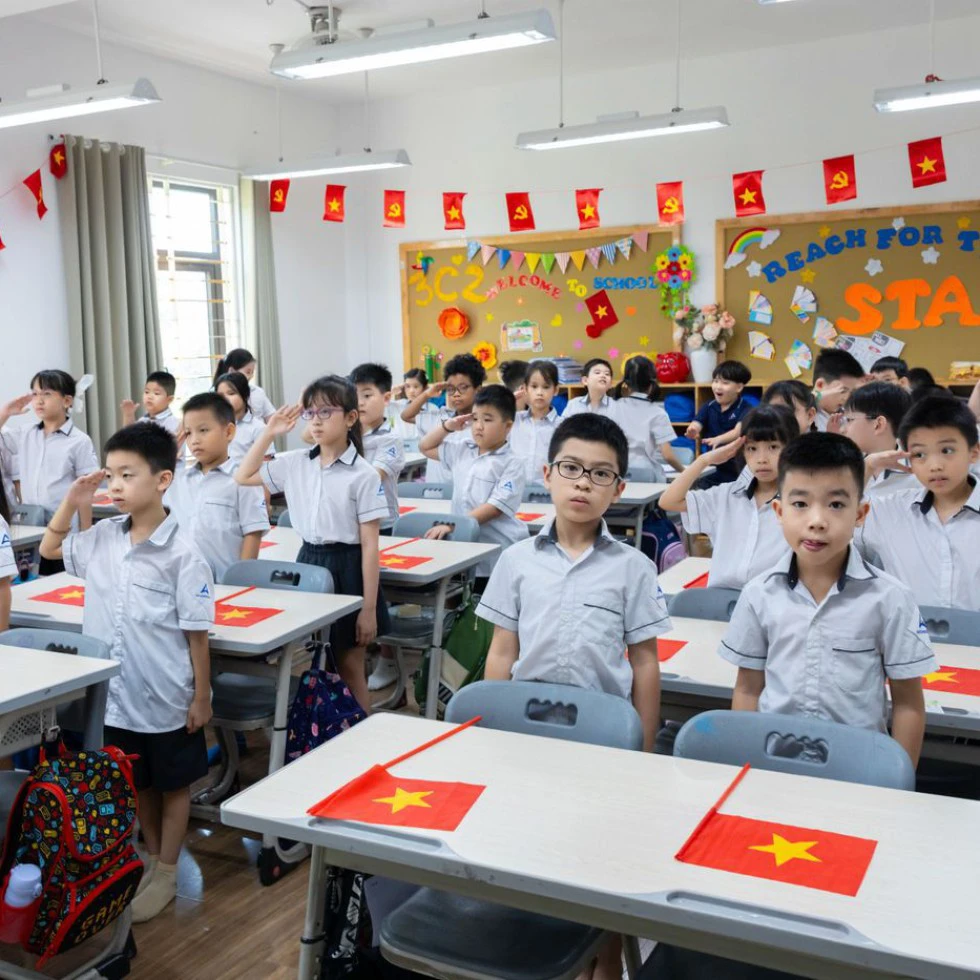 Public HealthSchool Water: The Laboratory ReportThe results of testing tube-well water at ten schools, and what they mean.
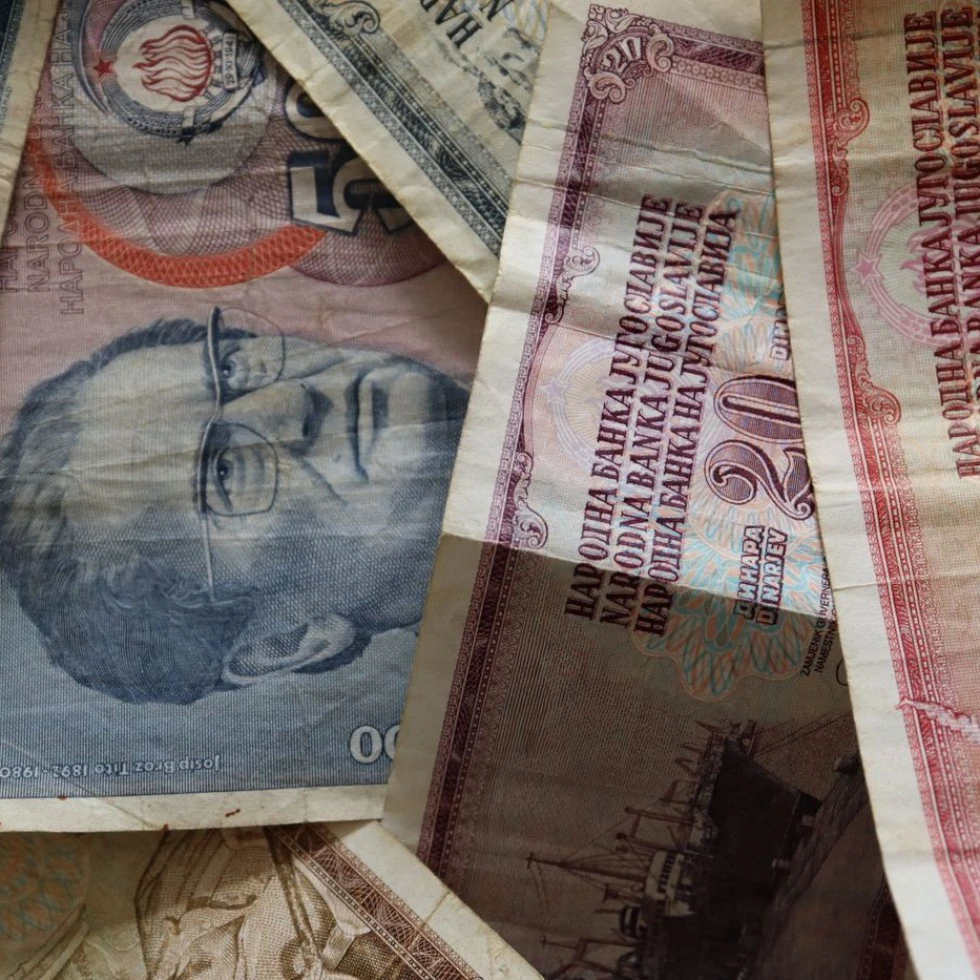 CorruptionOne Contractor's Name in the Tender ConditionsAnalysis of tender conditions revealed one firm's exclusive advantage.
What documents do not say, people do — and what people do not say, documents reveal. You have to listen to both.
What happens on the river after sunset has no official record.
Satellite images say the green on the slopes has shrunk in a decade. The soil says more.
After the flood, the distribution list was checked against the names of people in the villages.
How big is the gap between what the factory records say and the money that reaches the worker?
The gap between the health centre's stock register and the medicine shelf.
What the project progress report says did not match the measurements.
Which office, in what language, within how many days — a one-page guide.
How loans taken at daily interest turn a shop owner into an employee.
Cross-checking government lists, local testimony and satellite images.
The safety of the person who gives information comes before the story.
Samples from ten schools, two separate laboratories.
Analysing the conditions of five tenders shows the same pattern again and again.


Long-form investigation to editorial requirements — documents, interviews, fieldwork.
I analyse government documents, tenders and financial accounts to build the structure of a story.
Hands-on workshops on document research and ethical reporting for young reporters.
From script to field producing — shaping the story of a short documentary.
Short talks on press freedom, fact-checking and citizen journalism.
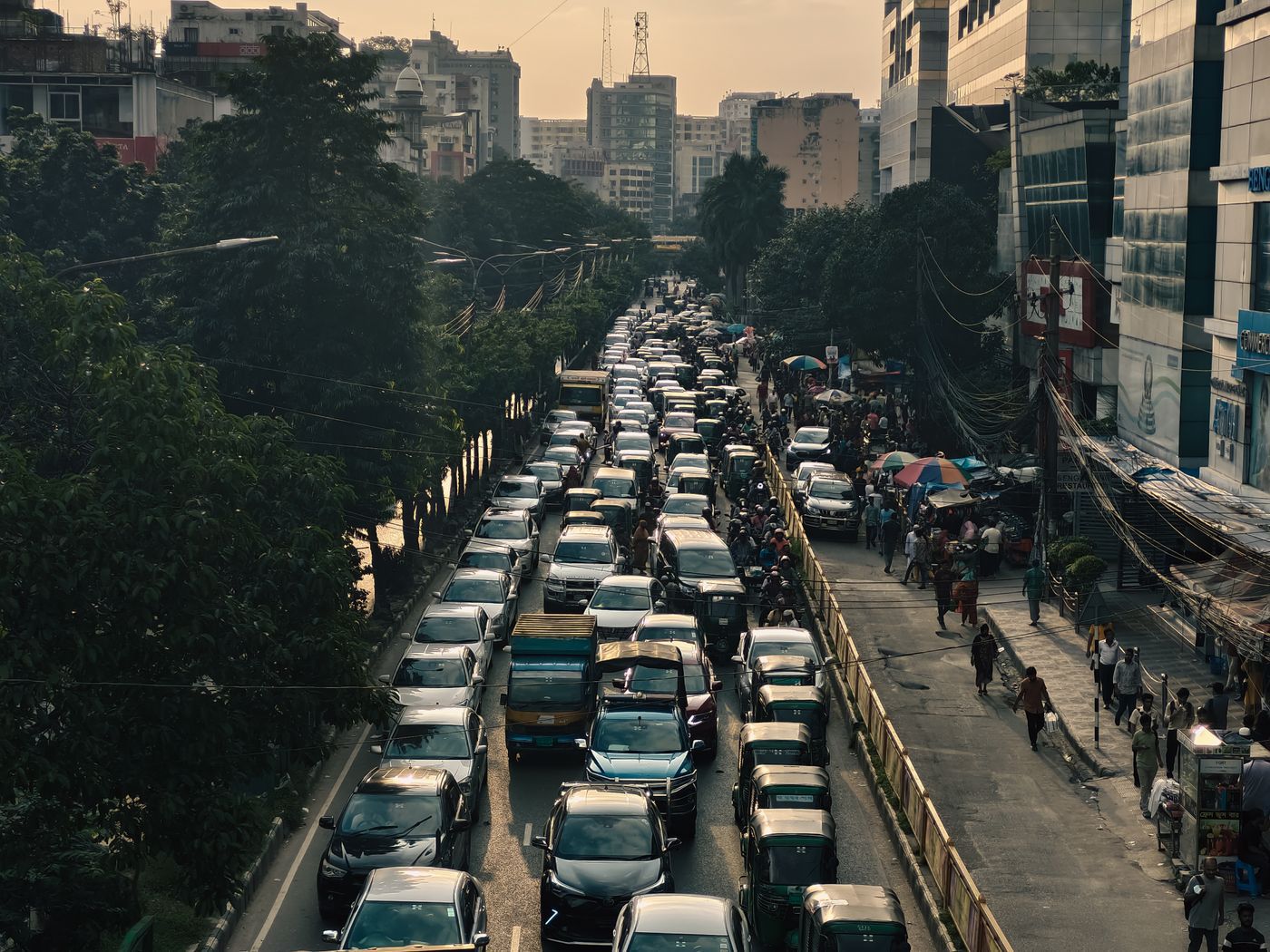 Field visit during an ongoing investigation
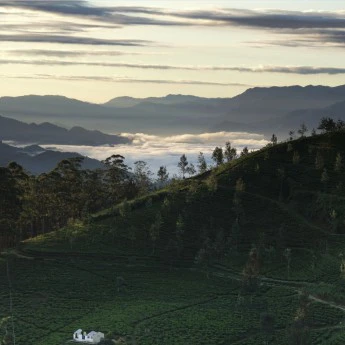
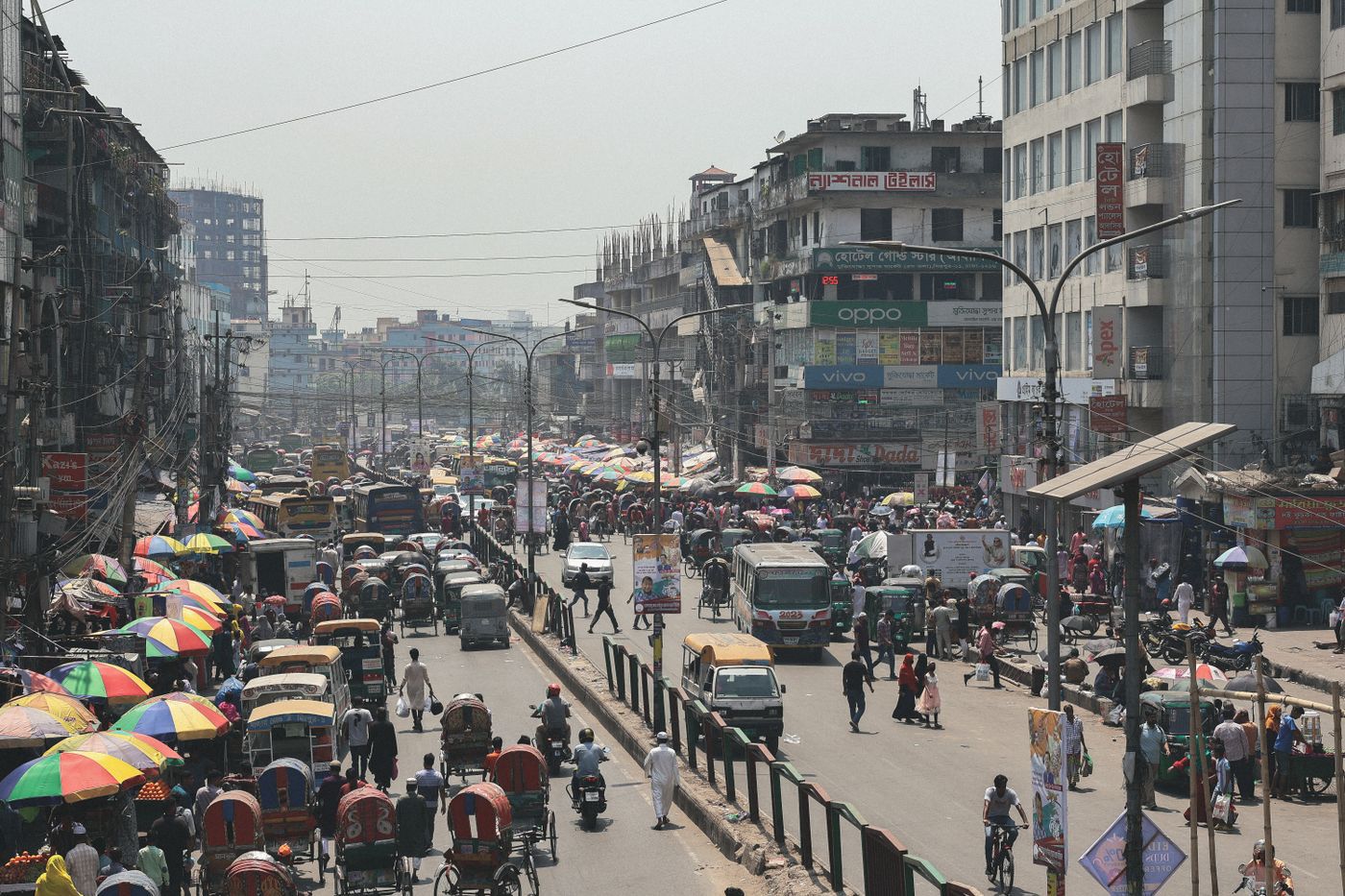 The start of an inquiry in the dawn city
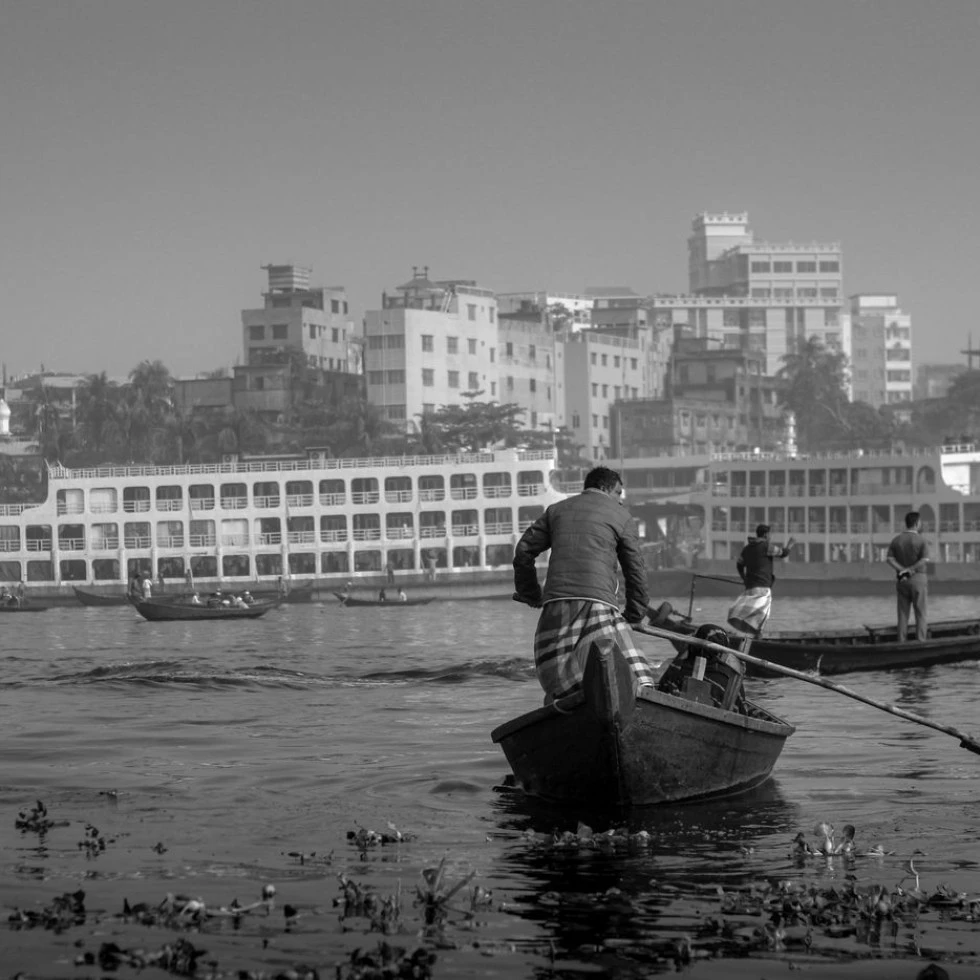
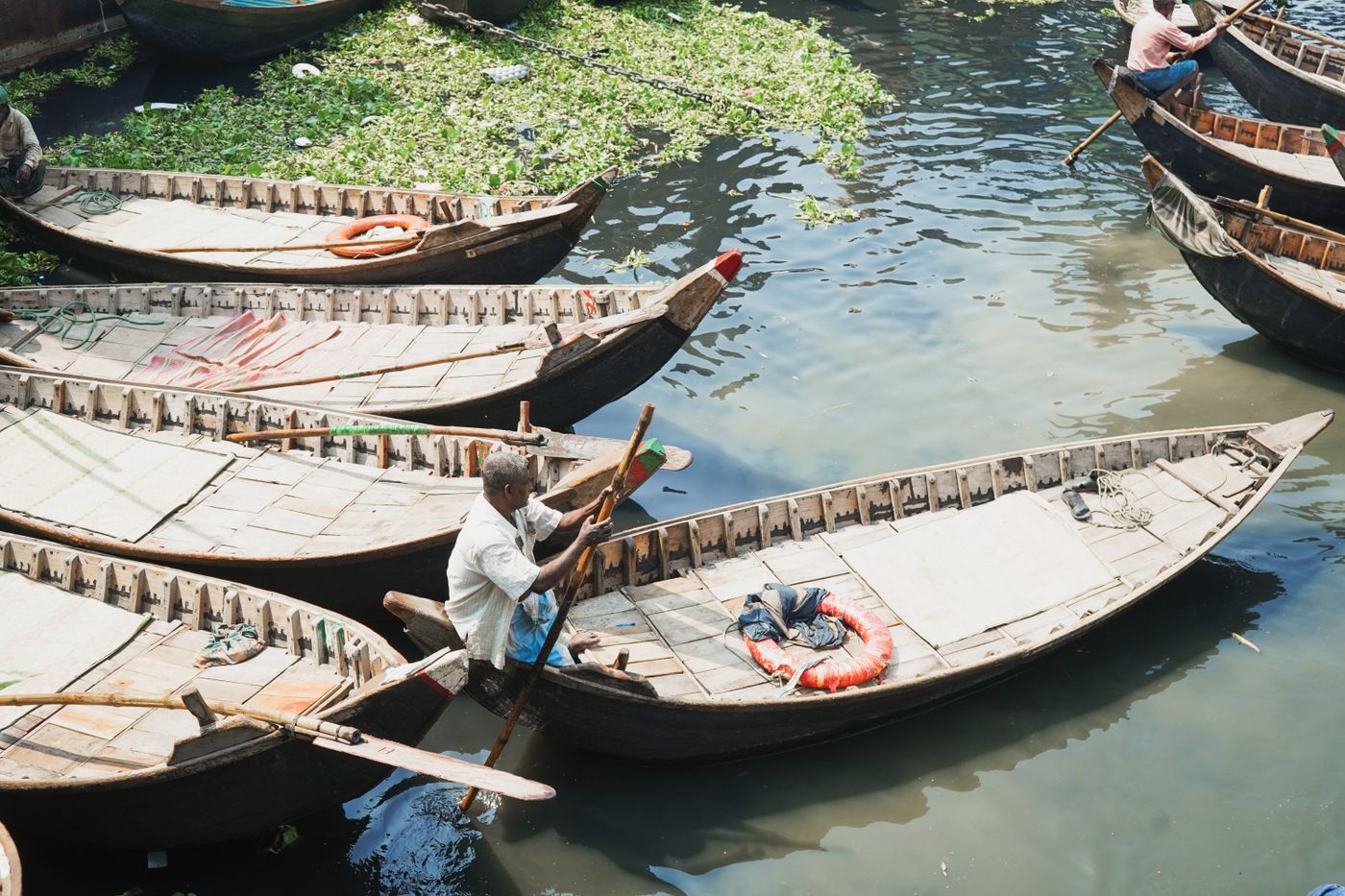
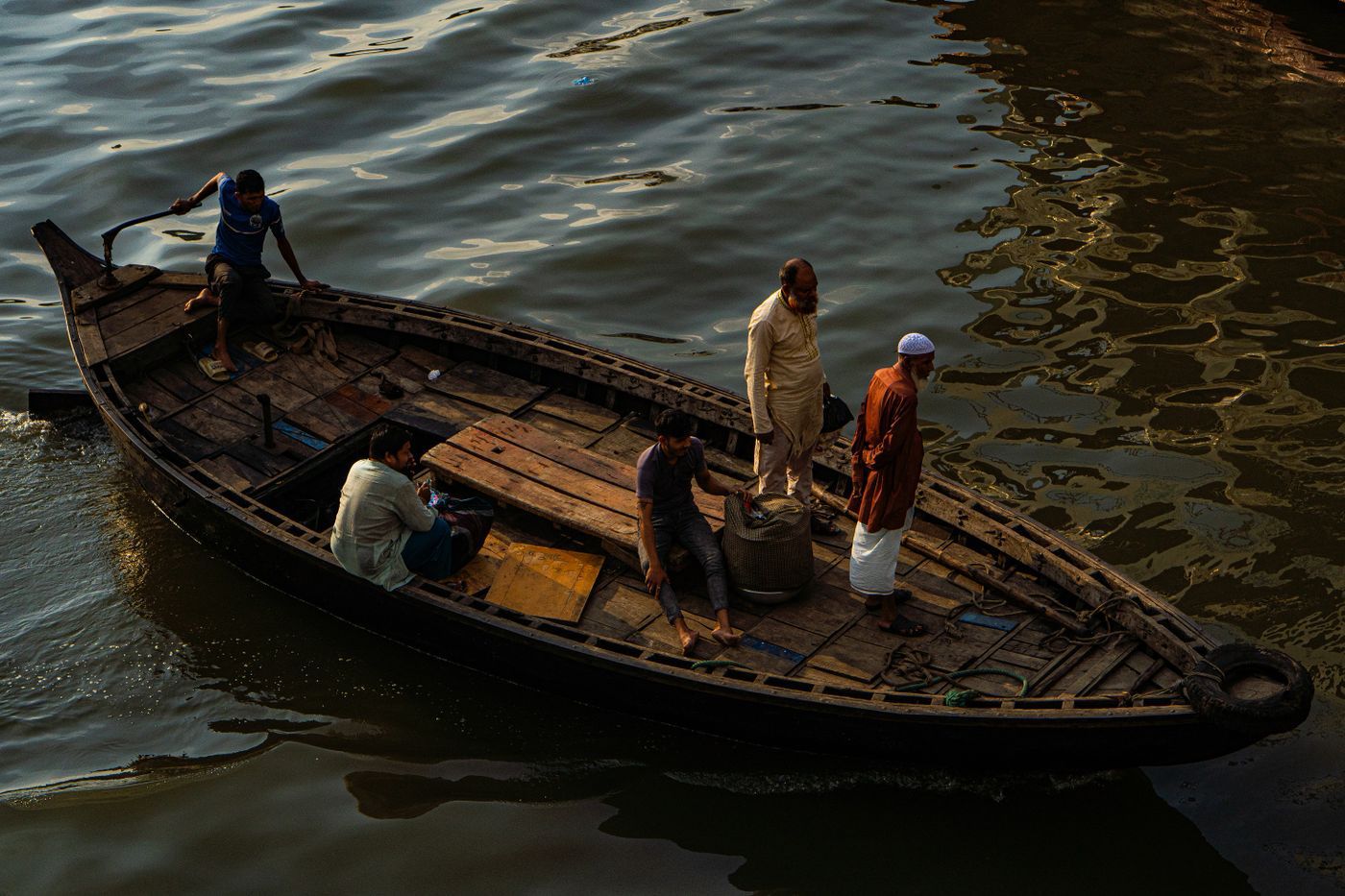 Row of sand-carrying boats
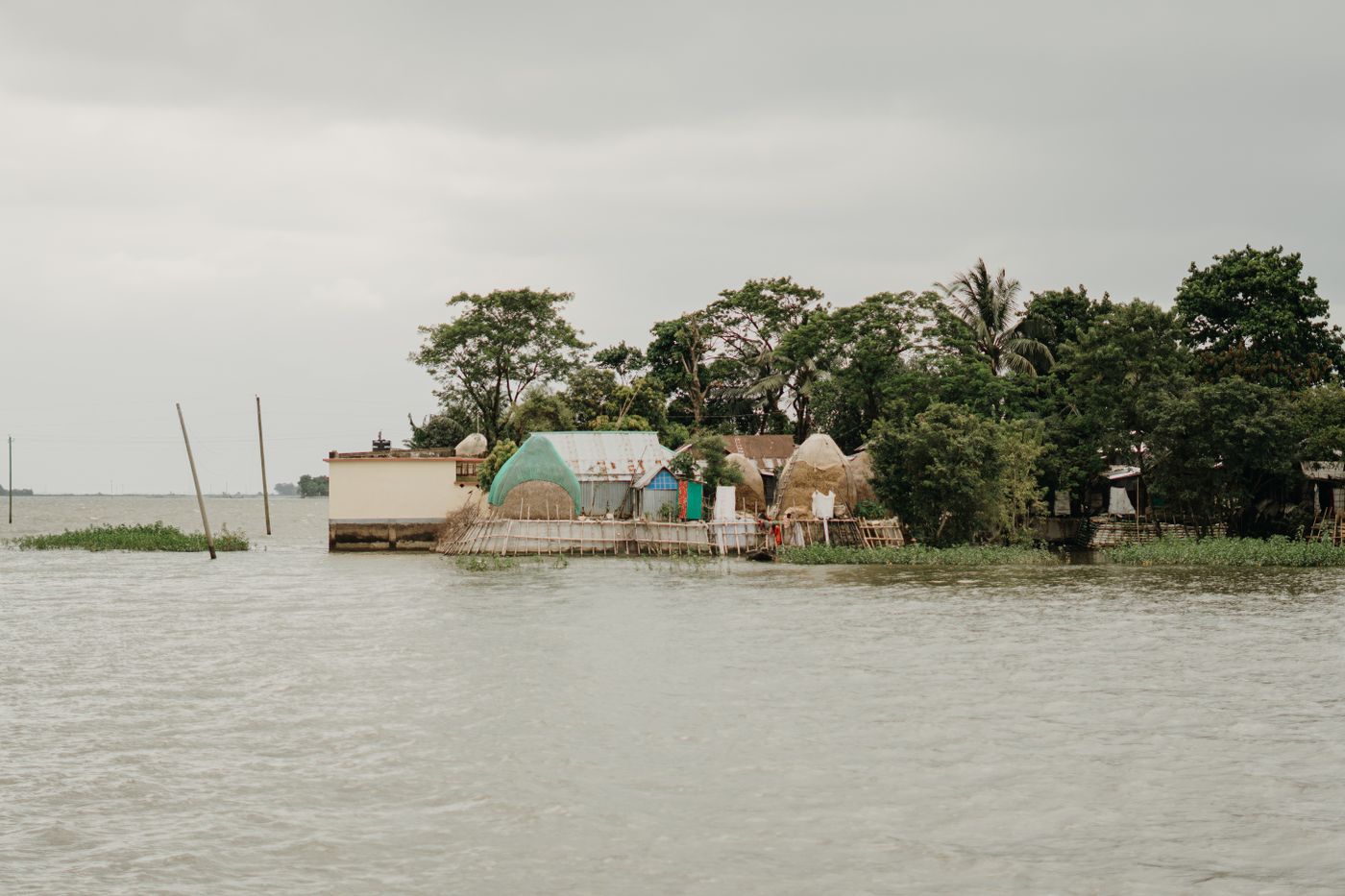
 Interview in a riverside village
 Post-flood relief distribution queue
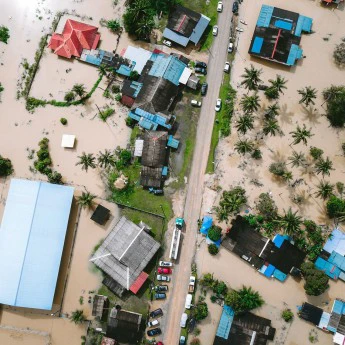
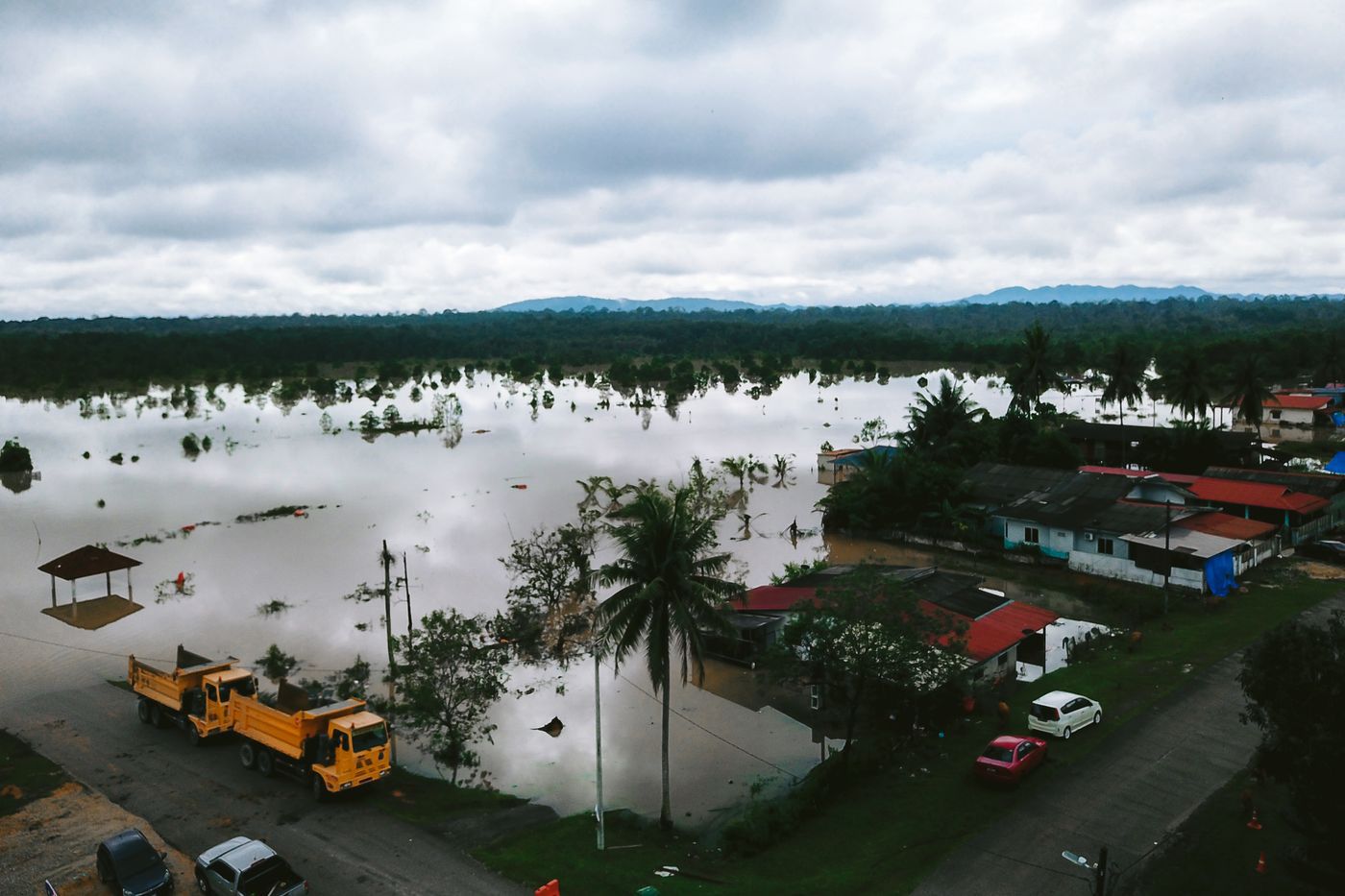 The submerged school building
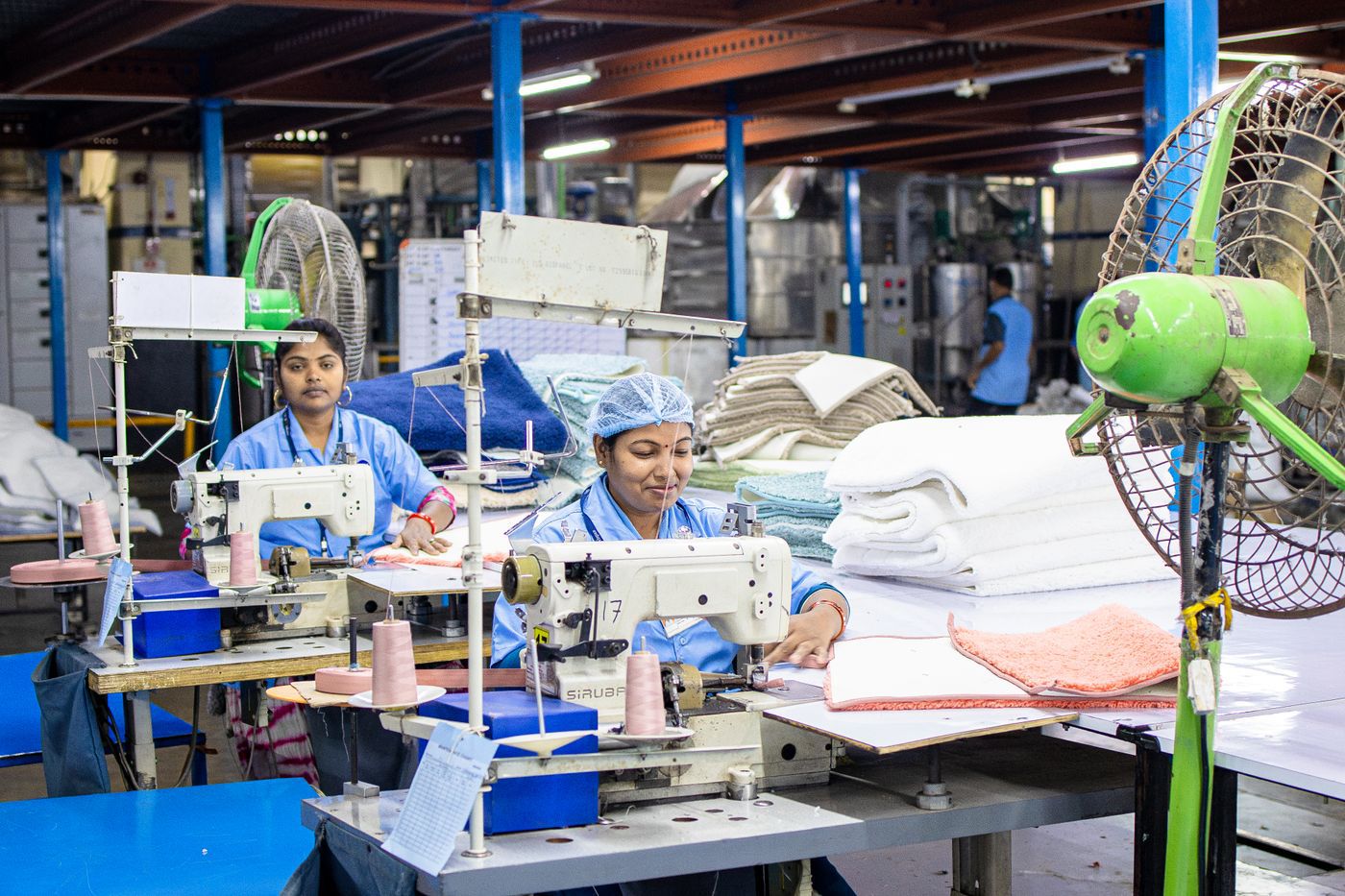 Workers waiting at the factory gate
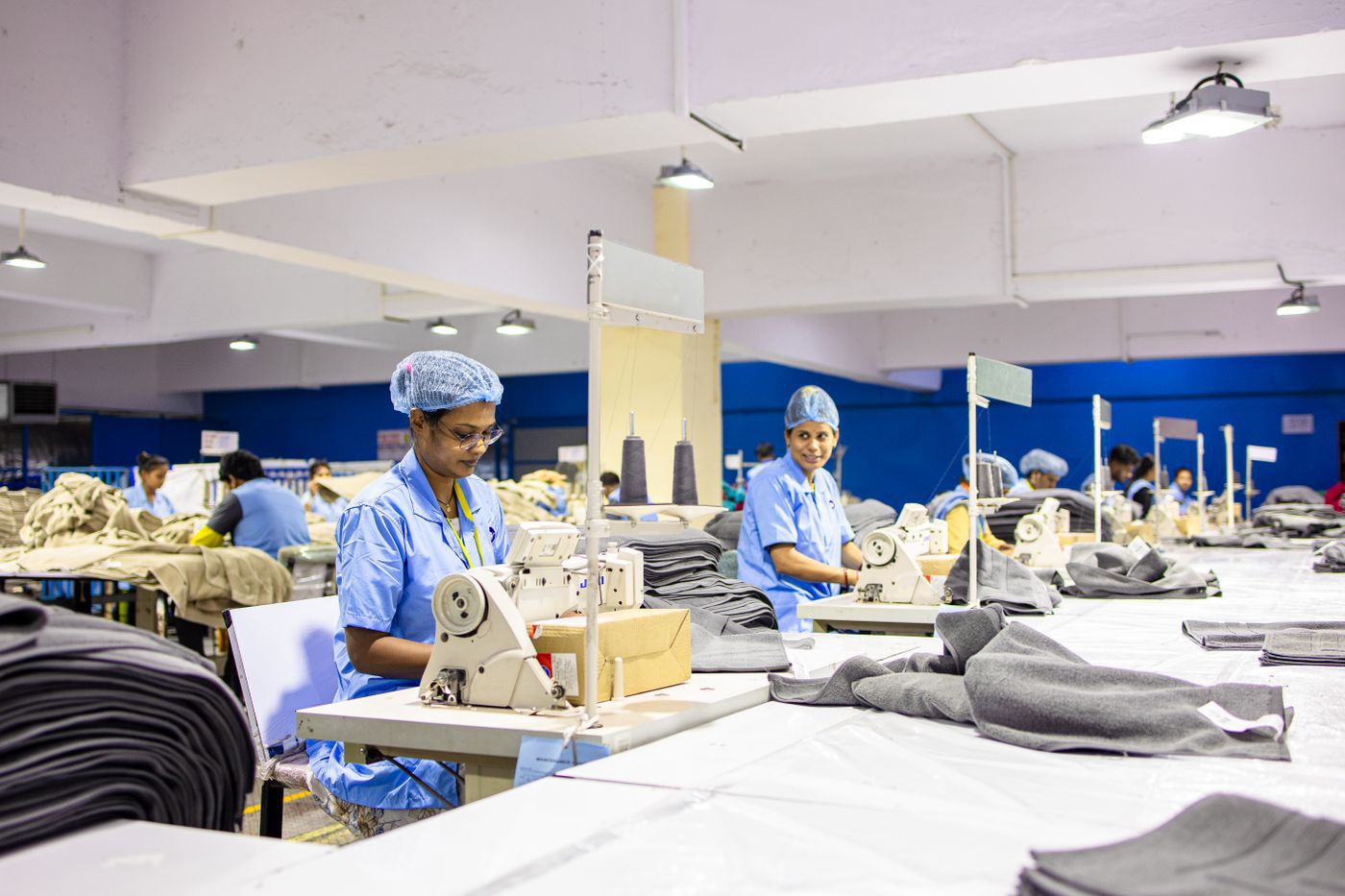 Part of a sewing line
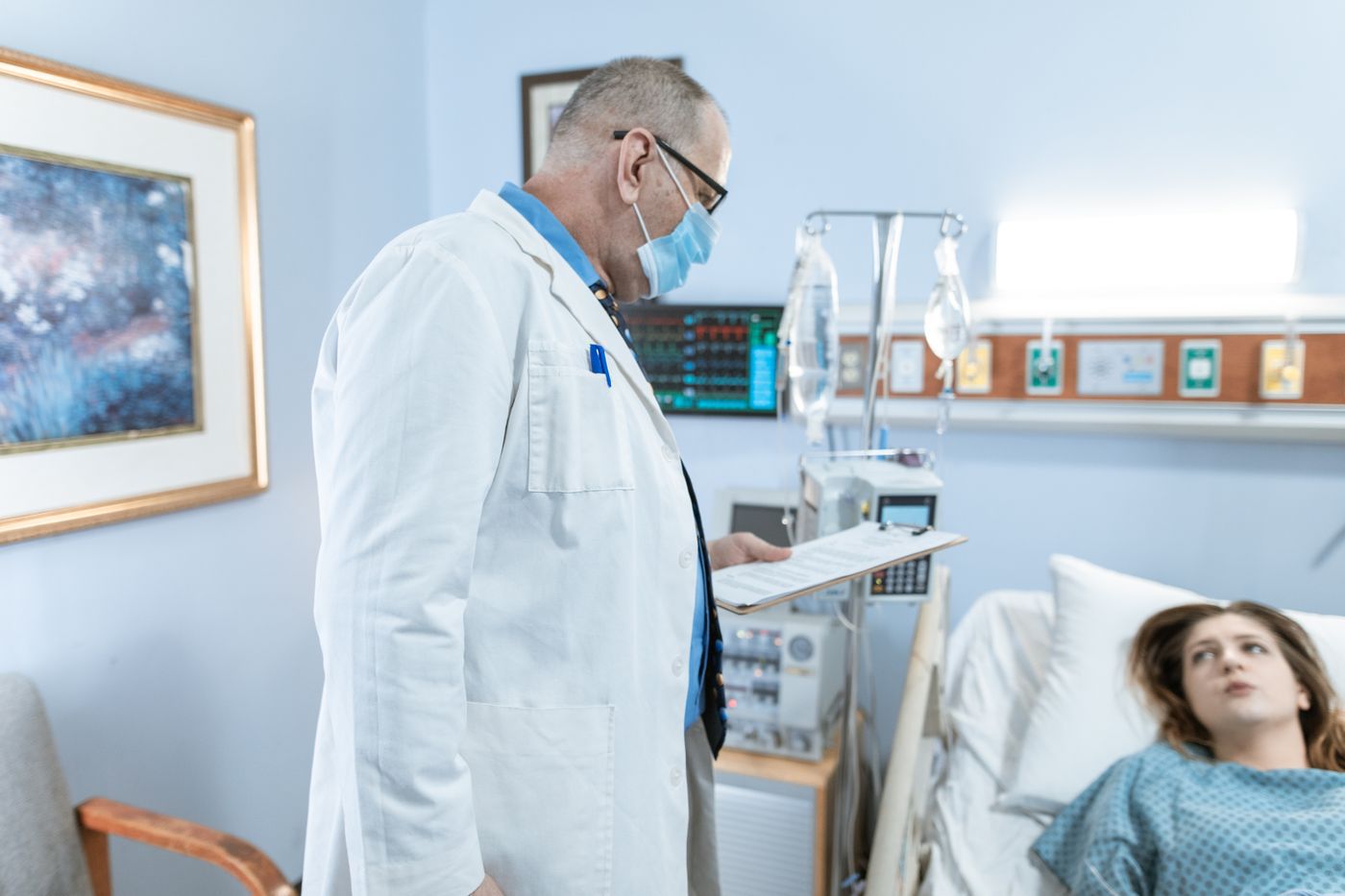 Verandah of the upazila health centre
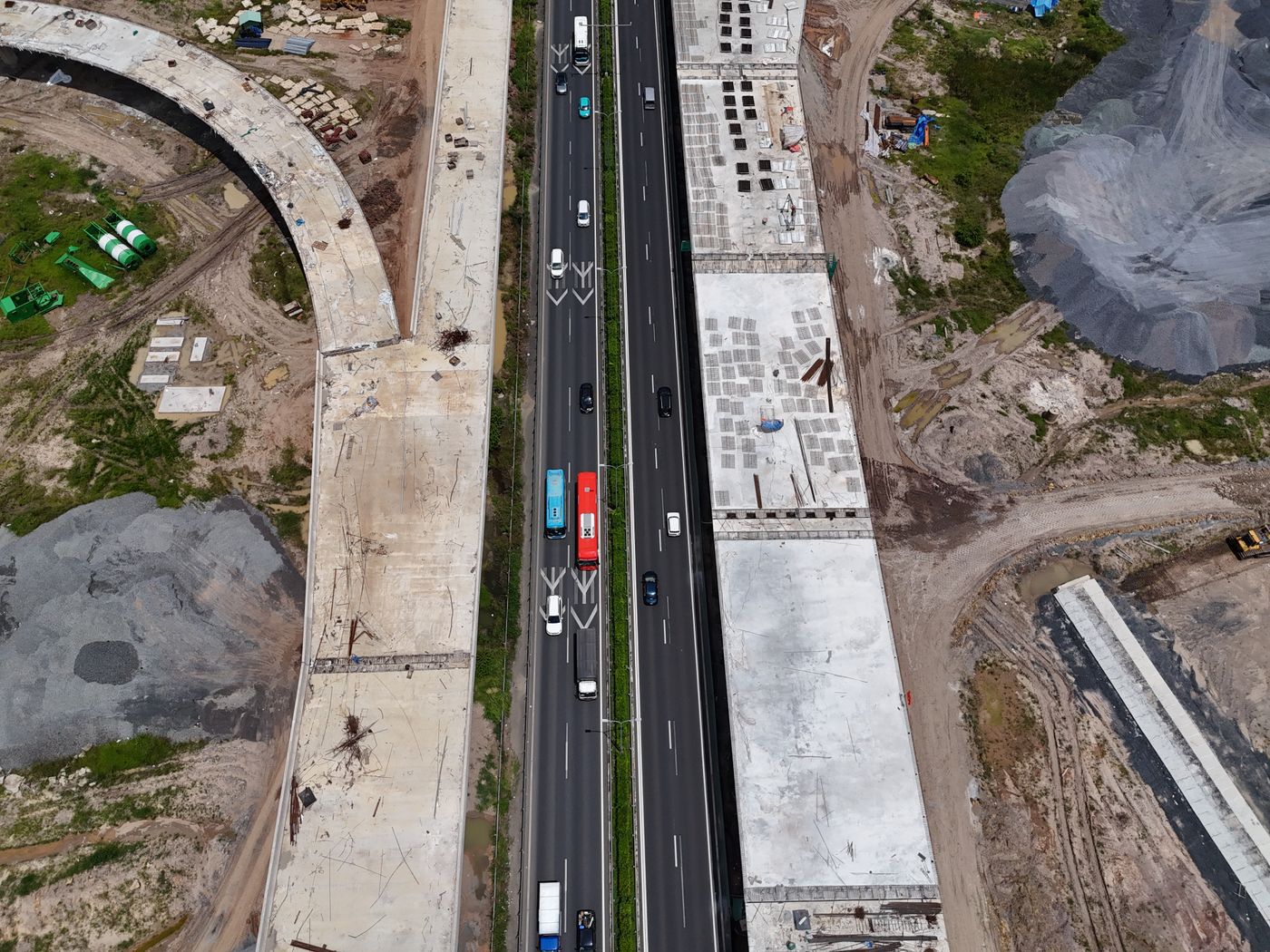 Midway along the unfinished road
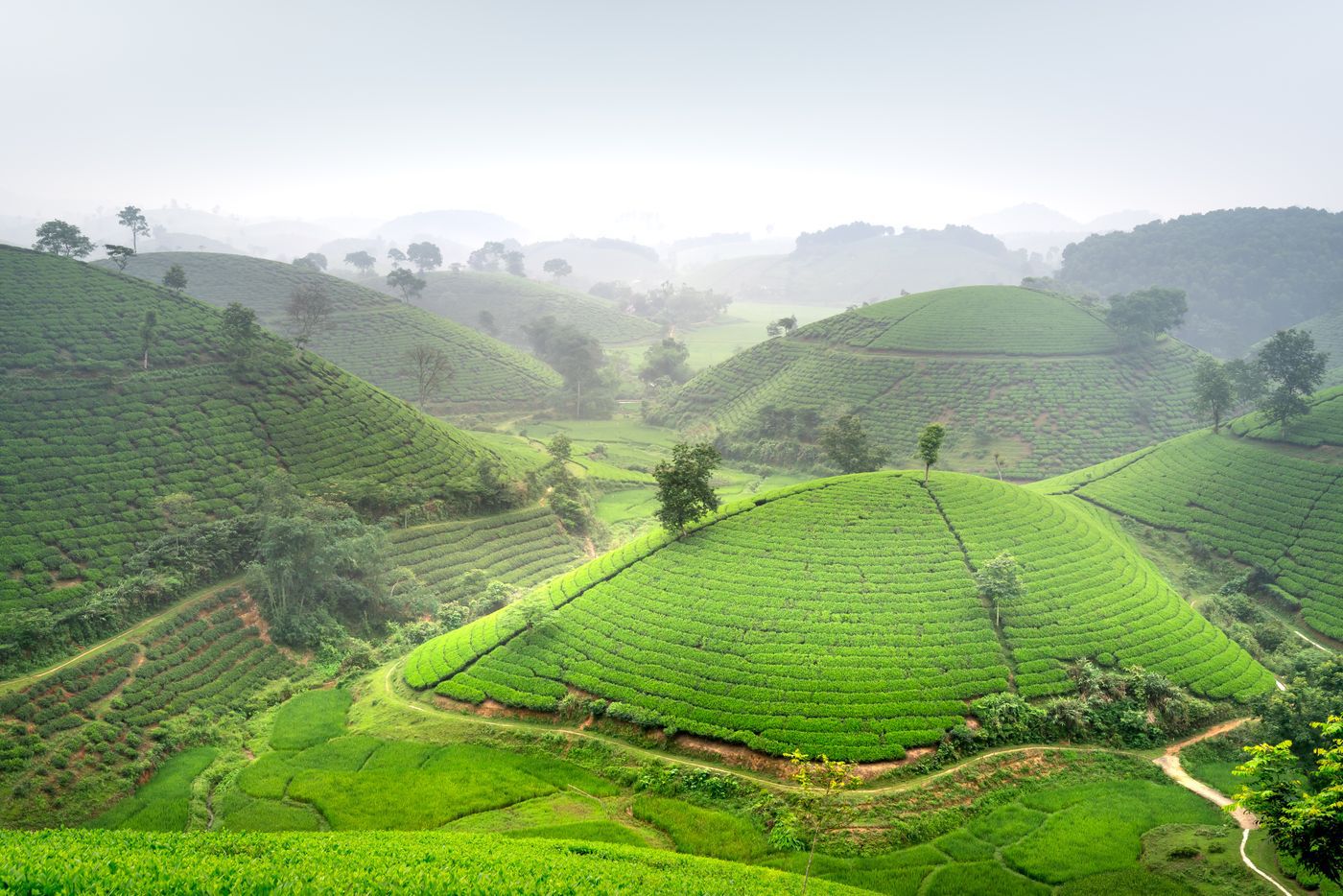 Slope of a cut hill
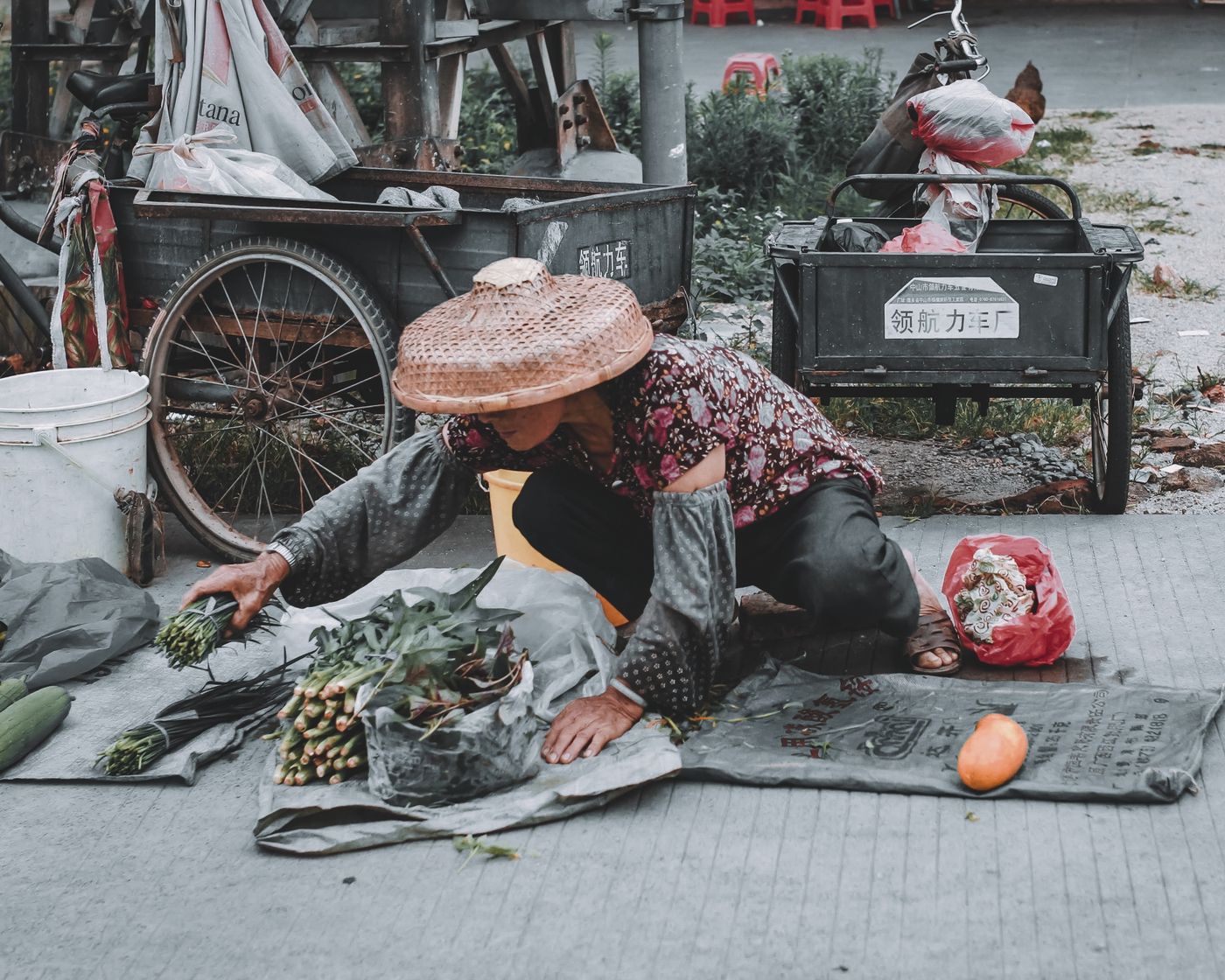 Early-morning wholesale market
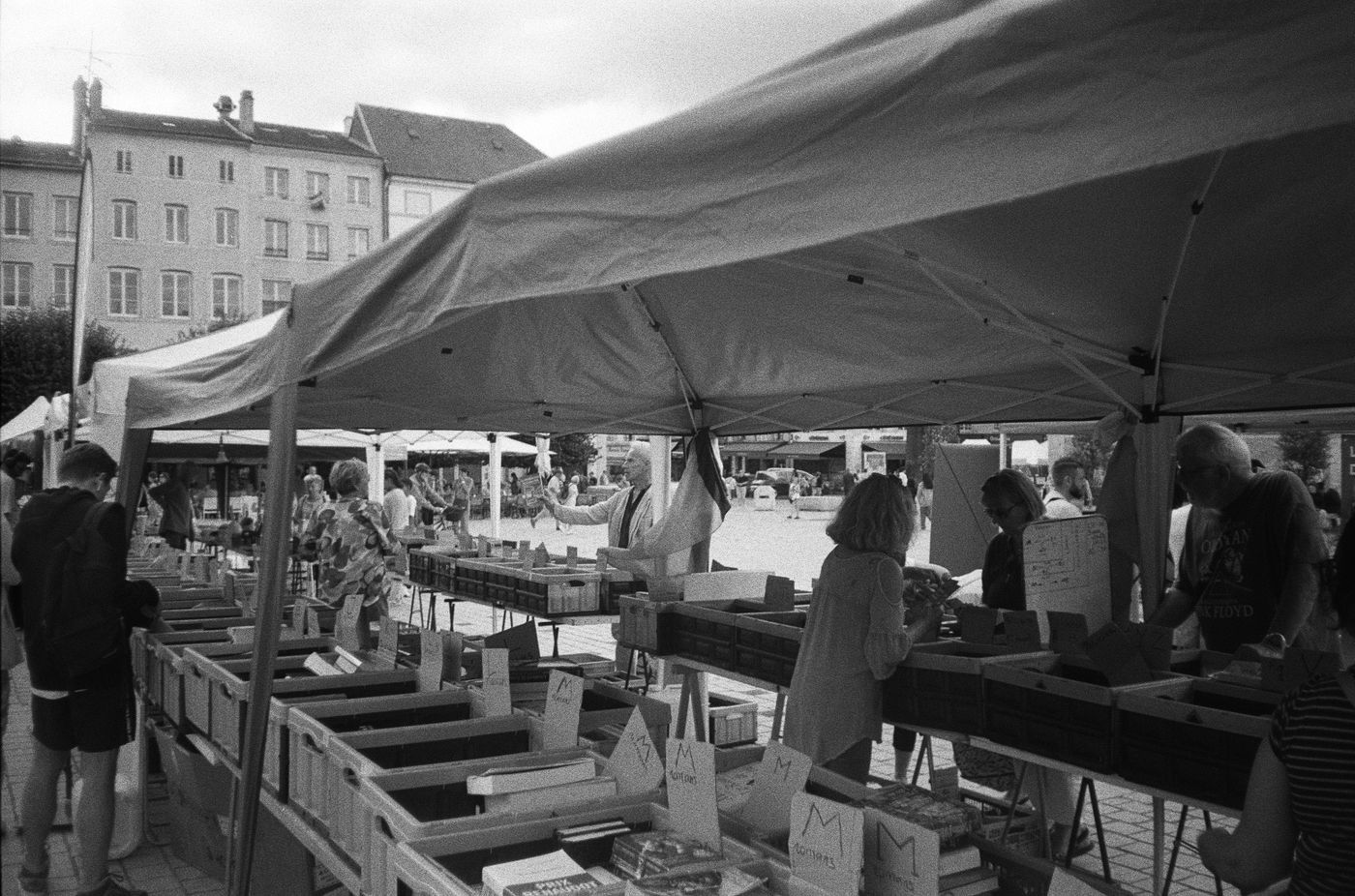 Searching old records in the archive
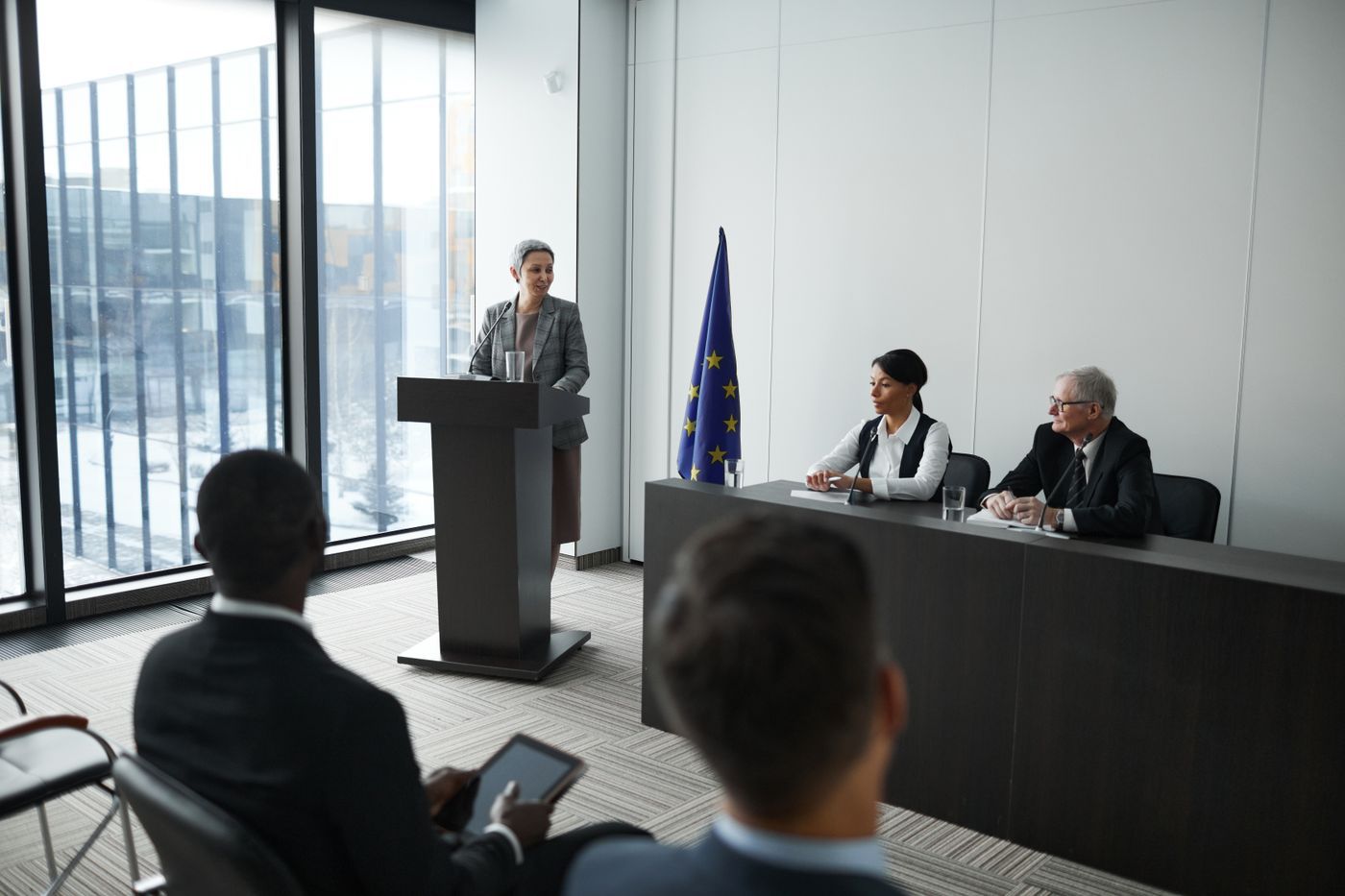 The public hearing room
Started with court and police-station news at a local newspaper.
A three-part series on relief accounts after river erosion.
Corruption and public health beat at a national daily.
Commissioned investigations for several news outlets.
A twelve-minute video report on the sand empire.
Document-research training for young reporters.
A fact does not go into a report until it is matched by at least two independent sources.
I never reveal, under any circumstances, the identity of someone who gives information at personal risk.
A correction is published with the same prominence, in the same place.
Verified facts, not opinions, are the foundation of a report.
I do not file a piece without the response of those against whom allegations are made.
Consent and respect come before everything in photos and interviews.
Even under deadline pressure, she verifies every line of the documents before filing. With her reports, our legal team has never had to be called a second time.
She explains complex facts in a way that keeps readers to the last line. The series was one of our most-read pieces.
She trained us in Right to Information applications. The hands-on examples were useful for my students' work.
Her strictness about protecting sources taught me a great deal. When she makes a mistake, she is the first to admit it.
After reading the report on school water, testing was done in our area. Work like this truly helps people.
The most patient person in the field. Before taking a photo she thinks about people's consent and dignity — that is the strength of her work.
Contact me by email or phone and simply say you want to share information. We will decide together how to talk safely.
Yes. Send a proposal with the editor's requirements and deadline; a written agreement is made before work begins.
In newsrooms, universities or online — whatever suits the organiser.
After first publication, republishing is possible with permission; crediting the source is mandatory.
Tell us at the tip line email. We will verify and publish a correction.
Share information on condition of anonymity. Protecting the identity of sources is my professional pledge.
A one-page summary every Friday — no promotional messages.